

The Legend of Zelda - Ocarina of Time (2026)

Nintendo - Tested in 2026 by der spirit
A journey back to your own childhood
The Legend of Zelda has been with me practically all my life. Zelda 1 on the NES was actually the first video game I can even remember. I was just three years old when we visited friends with our parents. Their sons were much older than my brother and me and at some point took us to their children's room. There was playing a game on the TV with a small green figure standing in front of several chests. As a child, I was allowed to decide which one should be opened. In one hid, if I remember correctly, a large ruby. I didn't know much more about the game at the time. Only years later did I realize that this had been my first encounter with The Legend of Zelda.
My personal Zelda story really started on the Super Nintendo. For my seventh birthday I was allowed to choose a game - and the choice fell on The Legend of Zelda: A Link to the Past. Until then, I knew mainly jump'n'runs. Suddenly I was faced with a big world, had to solve puzzles myself, fight and find out where the adventure would take me next. By then, the game was huge, and it took me several months as a child to play through it. It was my first real point of contact with the action-adventure genre and a formative piece of childhood.
With Link's Awakening on the Game Boy, this enthusiasm continued. I still associate the game with a summer vacation with my cousin. We played it through together within a week. Again there was this special world, the many little secrets and a multitude of riddles that you didn't necessarily understand right away. Zelda had long since gotten something magical for me.
When the decision between PlayStation and Nintendo 64 finally came to be made in the nineties, I thought for a long time. An important reason for my decision in favor of Nintendo was the first images of Zelda 64. The idea of experiencing this familiar series for the first time in a completely three-dimensional world was incredibly exciting. In addition, there was a hype that had built up over years: First a release for 1997 was discussed, later for the beginning of 1998, in fact the game was released at the end of 1998. My parents gave it to me for Christmas. What came after is video game history for me.
Ocarina of Time has been my personal best video game of all time for many years. The trade press showered it with dream ratings, but much more important to me was my own experience. It was the greatest adventure I had ever experienced in a video game. Nintendo had not simply transferred a well-known game principle to a third dimension, but had created a blueprint that would be guided by countless 3D action adventures. Although Tomb Raider had already done important pioneering work, Ocarina of Time made this kind of adventure finally suitable.
An adventure ahead of its time
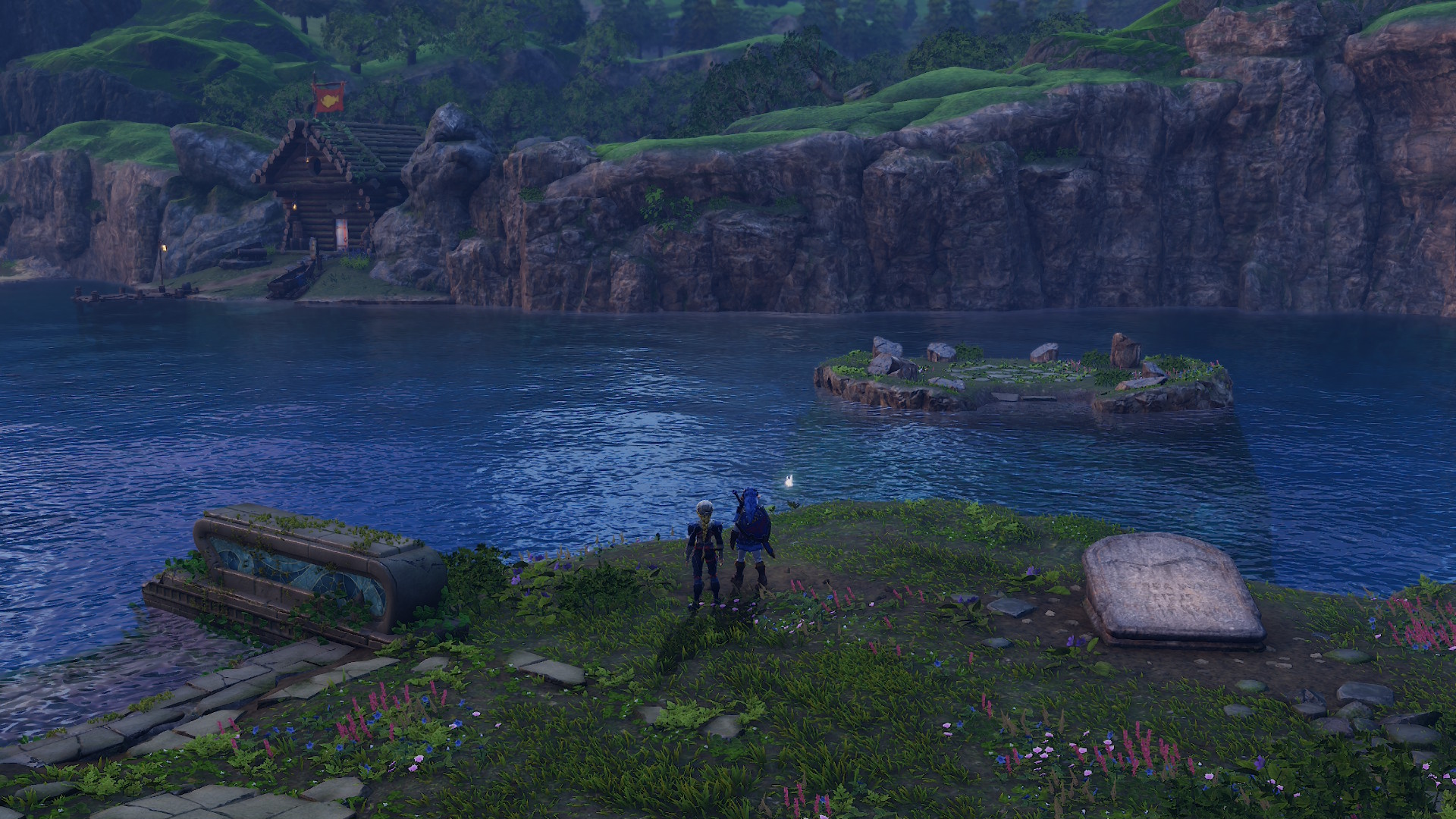
What made Ocarina of Time so special back then was the sum of his ideas. The lock-on system ensured that fights and orientation in the three-dimensional environment worked intuitively in the first place. Objects could be assigned to specific keys, from the first-person perspective you could take a closer look at the environment, and puzzles no longer only involved individual rooms, but whole parts of the game world. In addition, there was a day-night change and a story that stretched over a long period of time.
Particularly fascinating was the change of perspective between the young and the adult Link. They first traveled to Hyrule as a child and later returned to a changed world, in which seven years had passed. This idea gave the adventure its own dimension. A temporal dimension. Even today, it is enough to see a few scenes from the original, and I immediately feel like taking the controller in hand. The graphics are, of course, getting old, but the atmosphere, history and magic have remained.
The plot itself is at its core a classic hero story. Link is a Kokiri boy who is the only one of his people who initially has no fairy by his side. The Deku tree, who watches over the Kokiri village, finally sends him the fairy Navi and thus gives him the impetus for an adventure in which he must find out which threat is haunting Hyrule. This threat is called Ganondorf. The character gets a much more prominent human figure here and becomes one of the central opponents of the entire Zelda series as demon king.
Link must first find three spiritual stones to open access to the Holy Realm. But Ganondorf takes the opportunity, gets there himself and seizes power. Link is put into a temporary sleep for seven years. When he wakes up, he is an adult, can wing the master sword and must face a world that Ganondorf has already brought under his control. From this point on, the adventure picks up speed again: the opponents become more dangerous, the dungeons become more extensive and the task of saving Hyrule much greater.
Today, the plot may no longer be able to keep up with the great stories of past decades. For that, it is too much a product of her time and tells a comparatively straightforward hero story. But that is by no means a problem. Ocarina of Time lives from her characters, her special moments and above all from the atmosphere. An action adventure does not necessarily require a complex narrative with countless twists. The story is charming, understandable and carries the adventure exactly as it should.
The game principle: the perfect mix
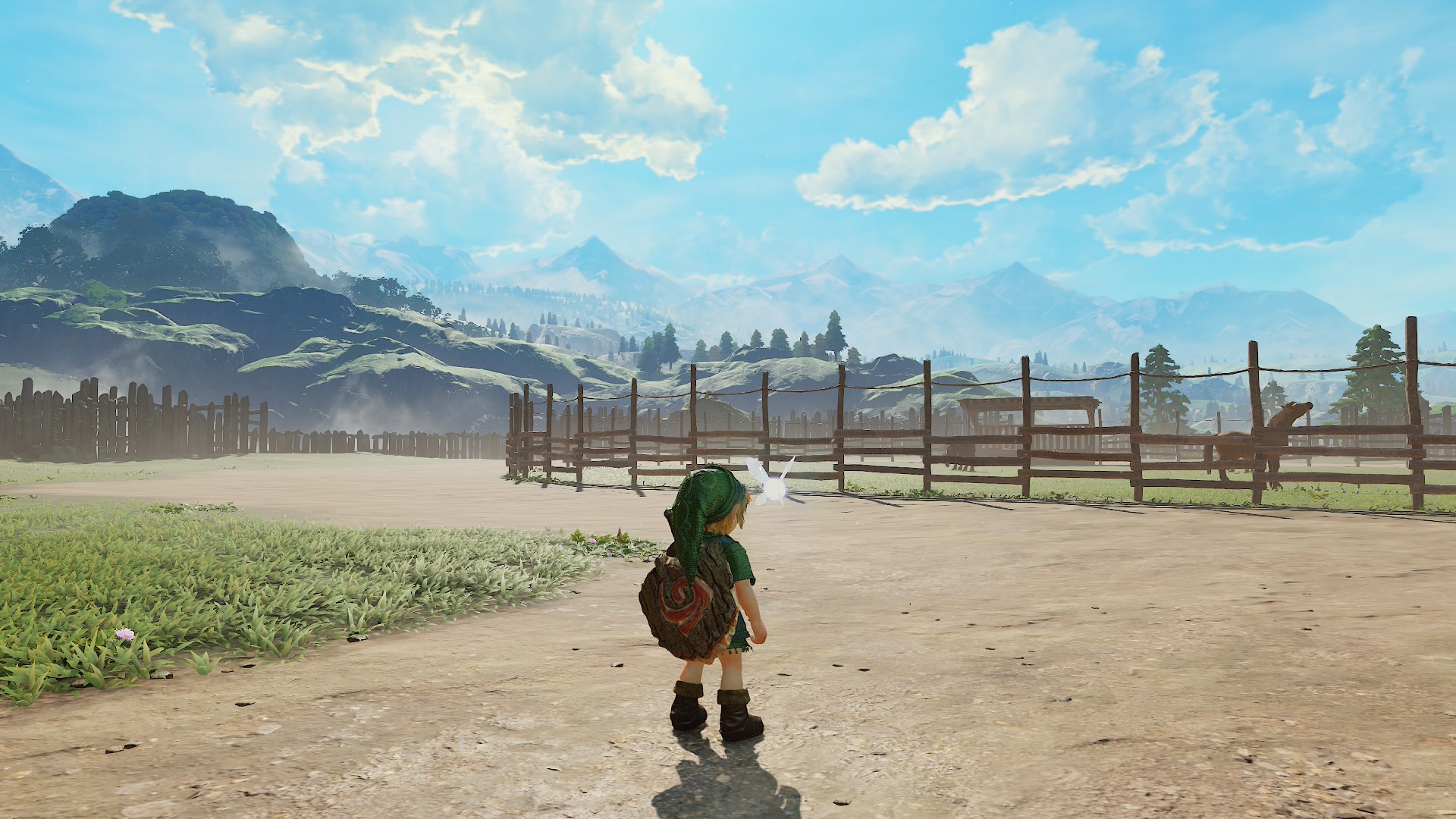
Playfully, Ocarina of Time relies on a mixture of fighting, exploration and puzzles. Link uses his sword and shield, collects numerous items in dungeons and around the world, and uses them to interact with the environment. Sometimes enemies have to be defeated in a certain way, sometimes obstacles have to be overcome and sometimes entire spaces have to be thought out. In addition, there are smaller tasks and exchange quests, which are spread over Hyrule. However, you can't talk about extensive side quest series like later in Majora's Mask or The Witcher 3 here.
The real heart of the dungeons are. Already the first section in the Deku tree conveys how the game works. It is still manageable, introduces the basic mechanics and then clears the way into the big world. From that moment on, Ocarina of Time unfolds all its sense of adventure. Hyrule invites you to explore, there is something to discover everywhere, and little by little you understand how the individual areas and tasks are connected.
The puzzles are an essential part of this. They involve the environment, demand attention and reward you when you recognize connections. If you know the original, you will of course still have many solutions in mind. For newcomers, on the other hand, there should be moments in which you first stand in front of a room with a question mark. However, the puzzles are easy to understand even after all these years. The game requires more brains than quick reflexes.
The fights are also successful, but are not the focus. The combat system is easy to learn and fun without being particularly complicated. Compared to a Souls game, in which a large part of the experience consists of challenging battles and boss encounters, Ocarina of Time distributes its weight much more balanced. The challenges arise mainly from the dungeons and their puzzles. Only a few enemies can become really dangerous later on - such as Dark Link in the Water Temple or the heavily armored knights in the Desert Colossus and in Ganon's castle. Overall, however, the game remains pleasantly accessible.
And it is precisely this balance that is one of the great strengths. Ocarina of Time doesn't have to constantly impress with difficult fights. It alternates between exploration, puzzles, small discoveries and action and thus creates a game flow that still works excellently today. The adventure has an almost perfect length and feels neither unnecessarily stretched nor too short.
The remake: almost the same adventure, even better to play
When Nintendo announced a remake of Ocarina of Time this year, the enthusiasm was initially accompanied by a certain uncertainty. A game that has an almost legendary status for so many people can hardly be re-resund without some of the fans looking critically at changes.
How much can be modernized?
Nintendo has already shown in the past that you can handle new editions very well. Nevertheless, a certain skepticism remained.
After my run, I can say: The remake is a dream come true for me. I played it through within four days and took about 14 hours to do it. This is about the time it takes if you already know the original. Those who go to Hyrule for the first time should plan 25 hours. In these four days I actually felt like the child or the teenager of that time. I've played through the original six, seven, or maybe even eight times over the years. This time it was still something special because I was allowed to experience the familiar world in a completely new visual quality.
In terms of content, the remake is about 95 to 98 percent the same game. The world, its territories and the basic structure were adopted almost one to one. The dungeons and puzzles are also familiar to the core. In some places - for example in the fire or water temple - I initially had the feeling that individual rooms had been changed. However, this is probably partly due to the fact that the original, very rudimentary 3D graphics did not show some rooms and transitions so clearly. In the remake, everything is shown much more clearly, so that individual areas can initially look different.
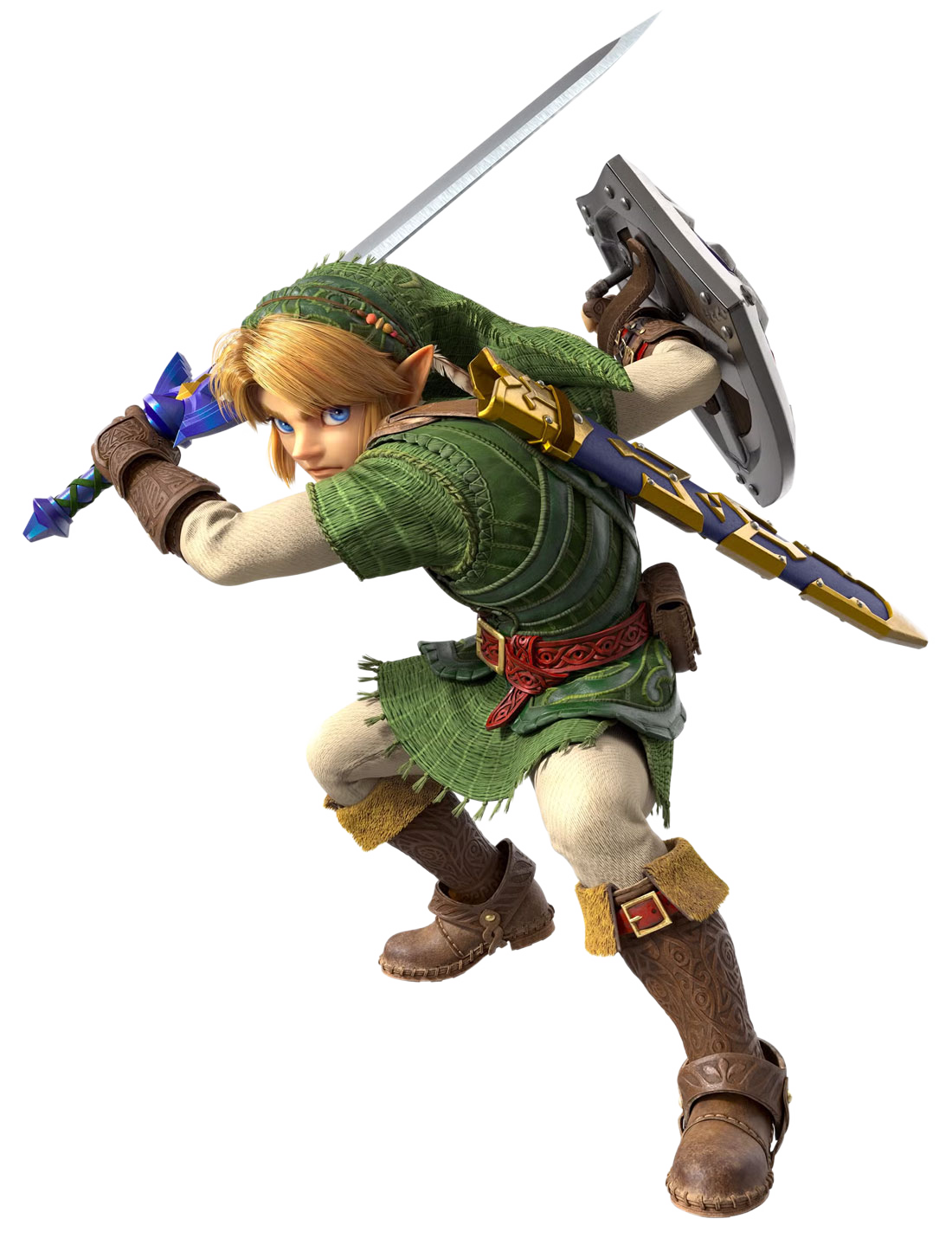
The most striking playful innovation is that Link can now jump at the push of a button. This feels unusual at first, but fits into the game surprisingly quickly. Smaller obstacles can be overcome much more naturally, and you have more control over the movement. In addition, Link can sprint. Especially in longer or narrower areas such as the Desert Colossus or on mountain trails, this ensures a much more pleasant pace. Paths for which you still had to roll in the original or walk much longer can now be covered quickly.
The aiming was also improved. Those who are on the road with a slingshot, hook or bow and arrow can now move instead of having to stay largely in place as in the original. This makes fighting and hunting the golden Skulltulas more dynamic. Together with the smooth display at 60 frames per second, the control feels extremely precise. Moving links, walking through the dungeons and exploring new paths is simply a lot of fun. The control reminds me in places of the best 3D adventures of Super Mario – like Super Mario Odyssey. That's a big compliment.
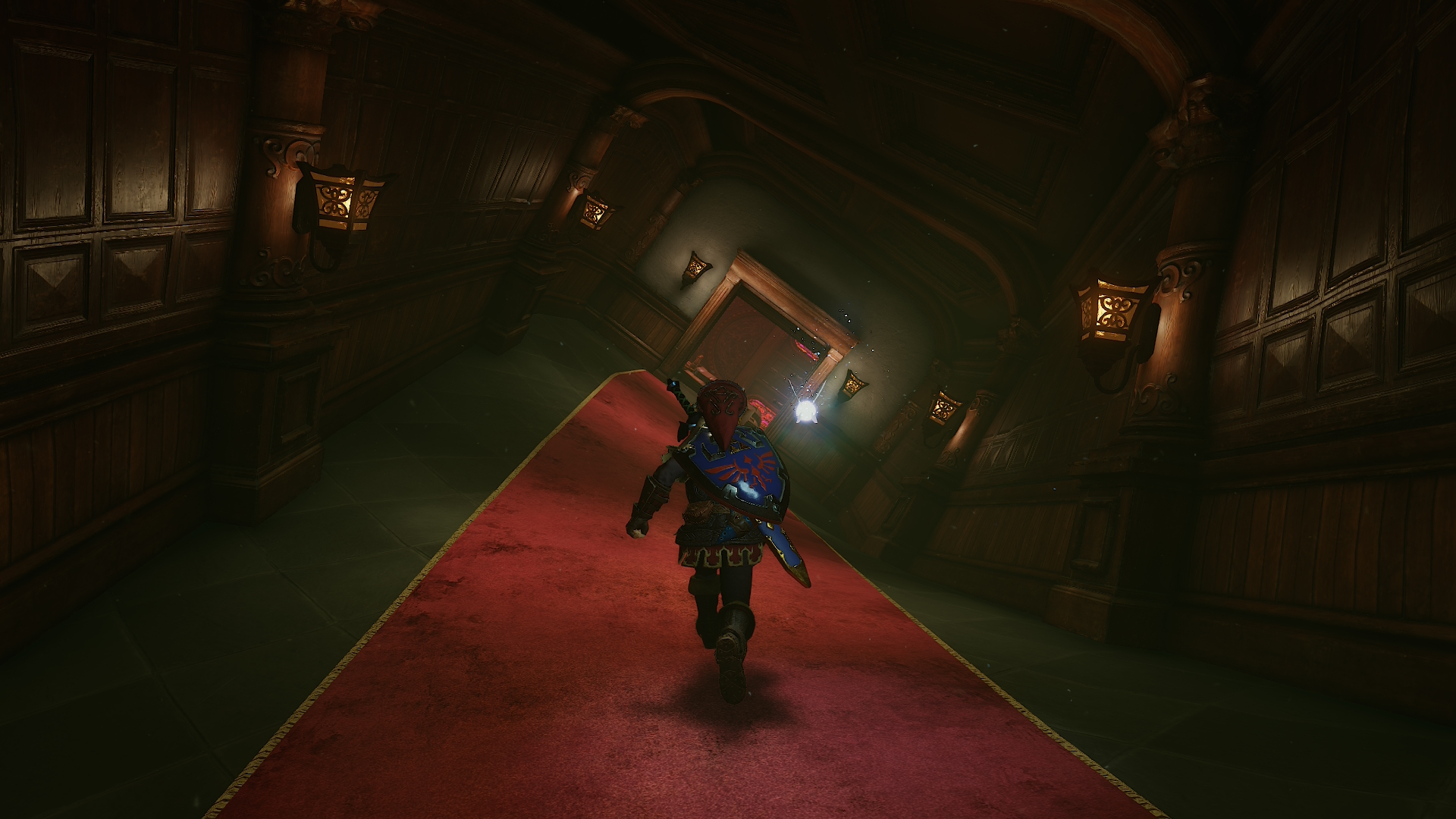
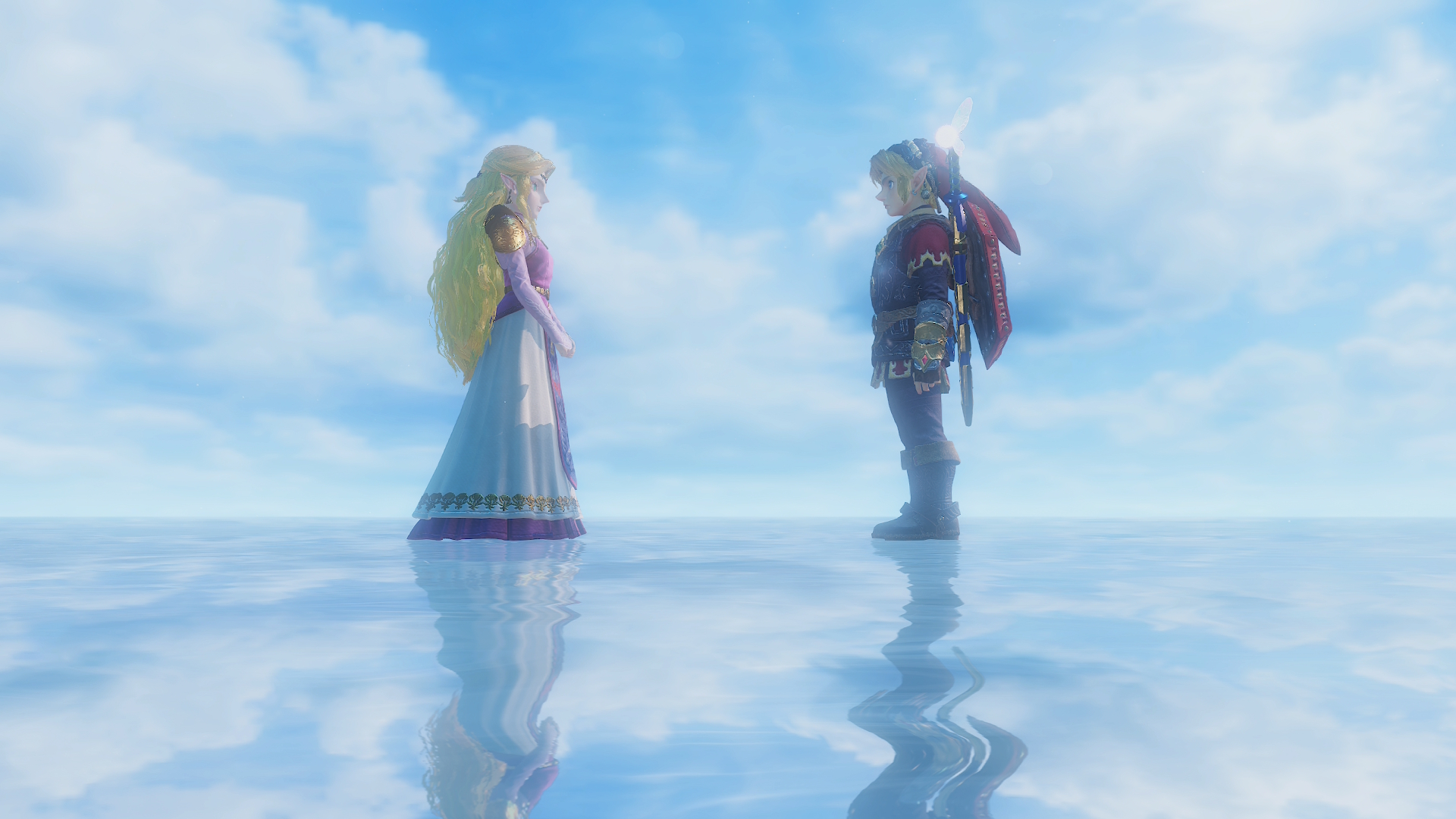
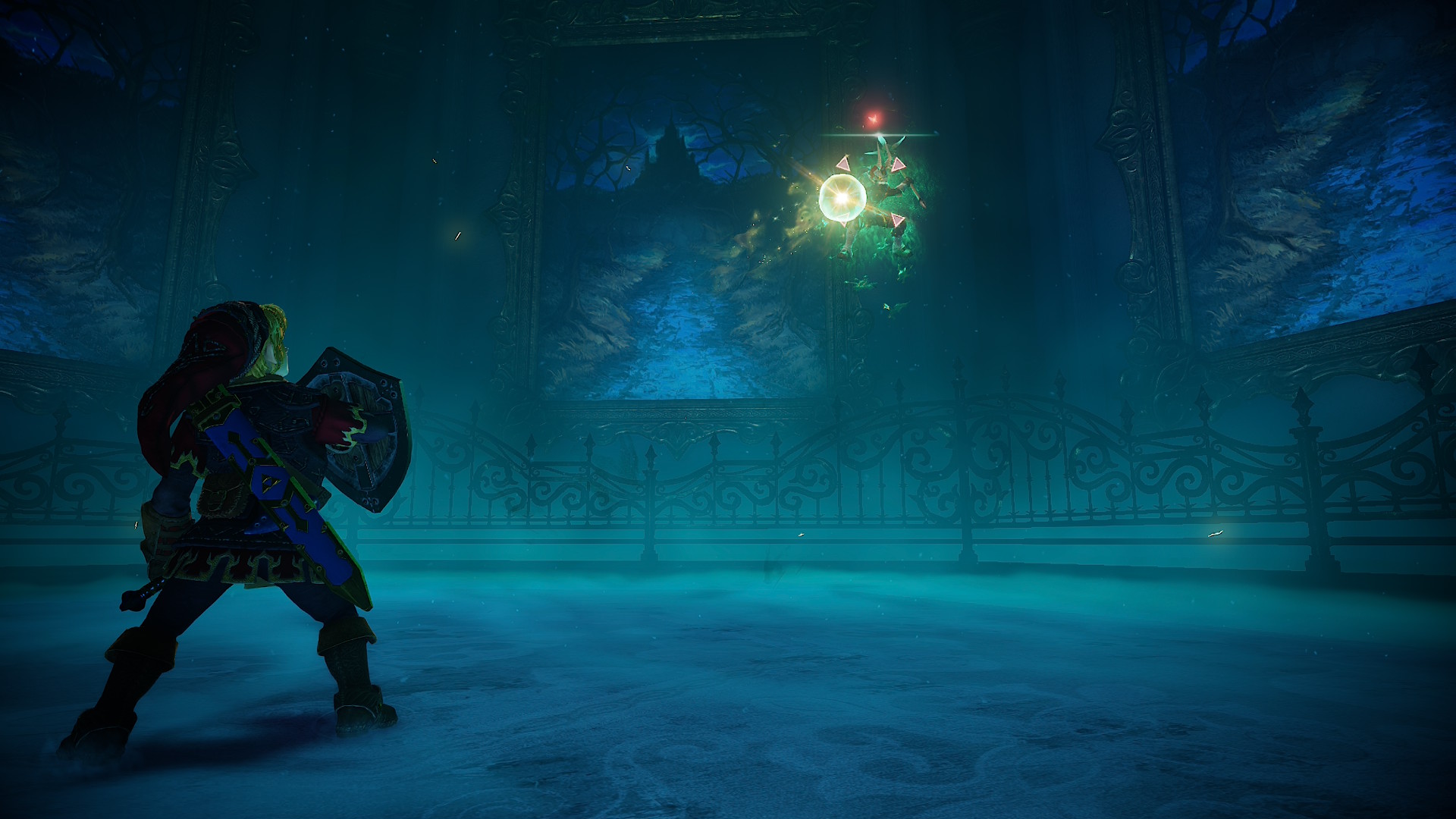
Visually, the remake is a real highlight anyway. Hyrule is now designed entirely in 3D, making it much more plastic and vivid than the original representation. The Hyrule field and the various landscapes look beautiful. You could take screenshots in many places that look like postcards. The dungeons also benefit enormously from the new optics. The forest temple has retained its mysterious atmosphere and seems even more magical. The water temple finally looks like an impressive temple. Fire and water areas are also very lovingly designed. Nintendo has visibly invested a lot of work here.
In addition, there are numerous small improvements that make the game flow more pleasant. When you enter a house or a dealer, there are now fluid transitions in many places, instead of the brief interruptions of the original. This is not a world-shattering innovation, but it helps to stay stronger in the world. The music was also carefully revised. The familiar pieces are immediately recognizable, but sound a bit more modern and fuller, with more bass and additional tonal details.
Small improvements enrich the everyday life of heroes
The revised item menu is particularly practical. With the Switch 2 controller, items can be selected via a quick menu. Things like the eye of truth or the iron boots can be activated or applied directly at the push of a button. Especially in dungeons, where you often have to switch between equipment and objects, this is a welcome relief. A nice additional function concerns the Okarina: The familiar melodies can be hummed into the controller. If the game recognizes the song, Link plays it directly. So you don't always have to remember the respective key combination - especially with a piece like Zelda's lullaby, this is a charming addition.
Small breaks in the otherwise successful new edition
However, the remake does not get away without criticism. Some transitions and productions don't seem quite as seamless as you would like. In the boss fights, for example, the last hit is shown in slow motion. This is quite spectacular and conveys nicely that the opponent is defeated. This is followed, however, by an additional scene that did not exist in the original. The recording of the heart container and the passage into the light circle are also partially interrupted by new cutscenes. In itself, this is not bad, but as a connoisseur of the original you notice that a bit of the original immersion is lost.
The same applies to the change between cut-scenes with voice output and those without sound. Here the staging could have been made a little more uniform. Link himself still does not speak, but is now consistently addressed by his name. In the original you could still choose the name freely. This is an understandable decision for the new edition, but changes a small detail of the original experience.
Ultimately, these are more stylistic criticisms than real weaknesses. They stand out if you know the original very well, but hardly affect the fun. A quest log and additional overview functions also fit well into the modern implementation. They would not have been necessary, but they help to keep an overview. I could have imagined a few additional side quests in the style of Majora's Mask. However, one must also take into account that we are talking about a game that was originally released in 1998 and significantly shaped a genre.
Rating
| Pro | Contra |
|---|---|
 ·Dungeons ·Cut scenes ·Pacing ·Well balanced remake |
 ·There is no other Ocarina of Time |

I have experienced many outstanding games in recent years. Elden Ring, The Witcher 3, Dark Souls, Silent Hill 2, Metal Gear Solid 4 and most recently Clair Obscur are among the titles that have particularly stuck in my memory. Nevertheless, it was enough to play Ocarina of Time again for an hour in the remake to know for me: This game is still at the top. It's still my best video game ever.
Whether this is a poverty certificate for all the other developers, because they have not succeeded in surpassing this game in its overall quality in 28 years, or whether it shows Nintendo's extraordinary performance to make an already legendary model a little better, everyone can decide for himself. For me, it is especially remarkable how little Ocarina of Time has lost of its fascination. The remake does not make the old adventure another game. It preserves exactly what made it so special back then, and improves playability and presentation in the right places.
The dungeons are still at the spearhead of the series. The combat system is easy to learn and fun, the puzzles deserve their name, the story carries the adventure, and the world of Hyrule is full of special places and memories. Of course, not every dungeon is equally strong, and the difficulty level may be a bit higher for some players. The mentioned breaks in the cut-scenes could also have been avoided. But I can hardly think of any really serious weaknesses.
Above all, the game has a perfect length. It knows when to introduce new ideas, when to let the player explore, and when a dungeon drives the adventure forward. The mixture of atmosphere, exploration, puzzles and fighting still works so well today that I kept sitting in front of the screen with a wide grin throughout the run. And this is ultimately the most important thing: I not only enjoyed the memory, but also immediately enjoyed the game I just played.
The remake has also taken away my fear of further new editions. If Nintendo can maintain this quality, one can certainly look forward to possible next projects. A remake of Majora's Mask would be obvious. And if you imagine what other classics could look like with a similarly loving treatment, the anticipation quickly gets even bigger. I would take a week's vacation without hesitation.
Of course, I will continue to keep the original in my collection. It is and remains a milestone that I will play again and again in the future. For the next few years, however, the remake should be my preferred version. It looks beautiful, plays much better and still preserves almost completely the adventure that has accompanied me since my childhood. Maybe I'll start all over again tomorrow. That says it all.
The Legend of Zelda: Ocarina of Time is not perfect for me. But it is an extraordinary action adventure whose magic has lost none of its power even after 28 years. The remake does not make a legend new – it makes it come alive once again. And for me, Ocarina of Time remains the best video game of all time.